About Jalgaon Town
Jalgaon is a prominent town in northern Maharashtra, popularly known as the “Banana City of India” due to its large-scale banana production. Located on the banks of the Tapi River, the town serves as an important center for trade, education, administration, and agriculture. Jalgaon is well connected by rail and road networks and plays a key role in the economic and cultural development of the region.
Chronicles of Jalgaon: A Legacy Shaped by Great Empires
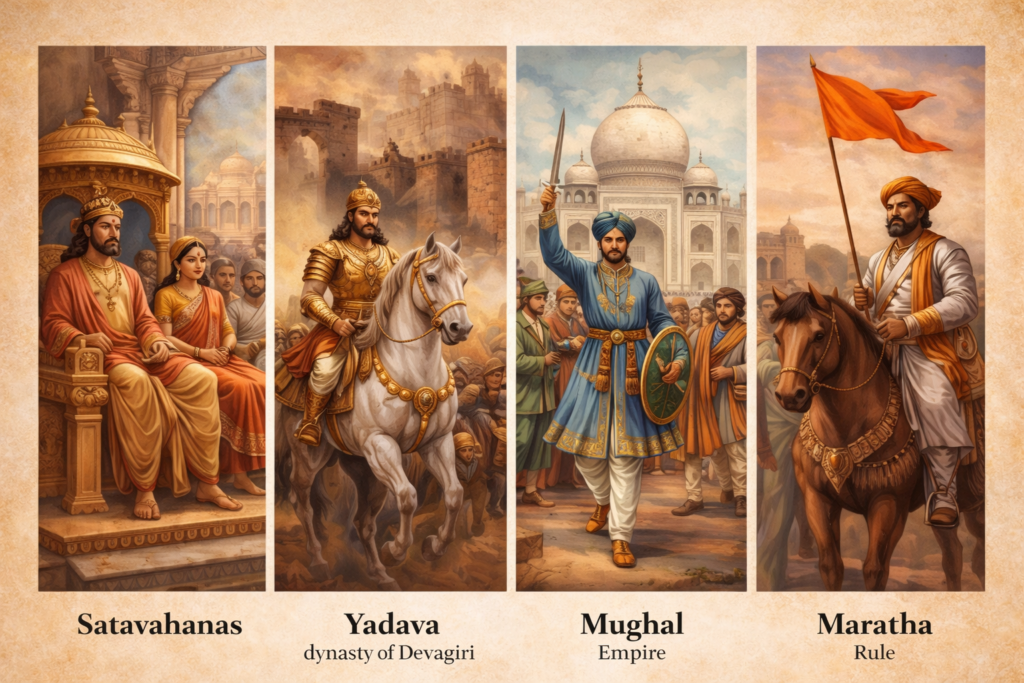
The history of the Jalgaon region reflects the continuous rise and fall of powerful dynasties that shaped the cultural, political, and social life of northern Maharashtra. Located on the Deccan Plateau, this region remained strategically important from ancient to medieval times.
The earliest known rulers of the region were the Satavahanas. They promoted trade, coinage, religion, and early administrative systems, laying the foundation for civilization in the Deccan.
With Devagiri as their capital, the Yadavas strengthened regional governance and promoted Marathi language, temple architecture, and agricultural development.
After the decline of the Yadavas, the region became part of the Mughal Empire. The Mughals introduced structured revenue systems and centralized administration, influencing political.
Later, Jalgaon was ruled by the Marathas under the Peshwas. This period marked a revival of local governance, military strength, and cultural pride, leaving a lasting imprint on the region’s identity.
Tourism Attractions Of Jalgaon
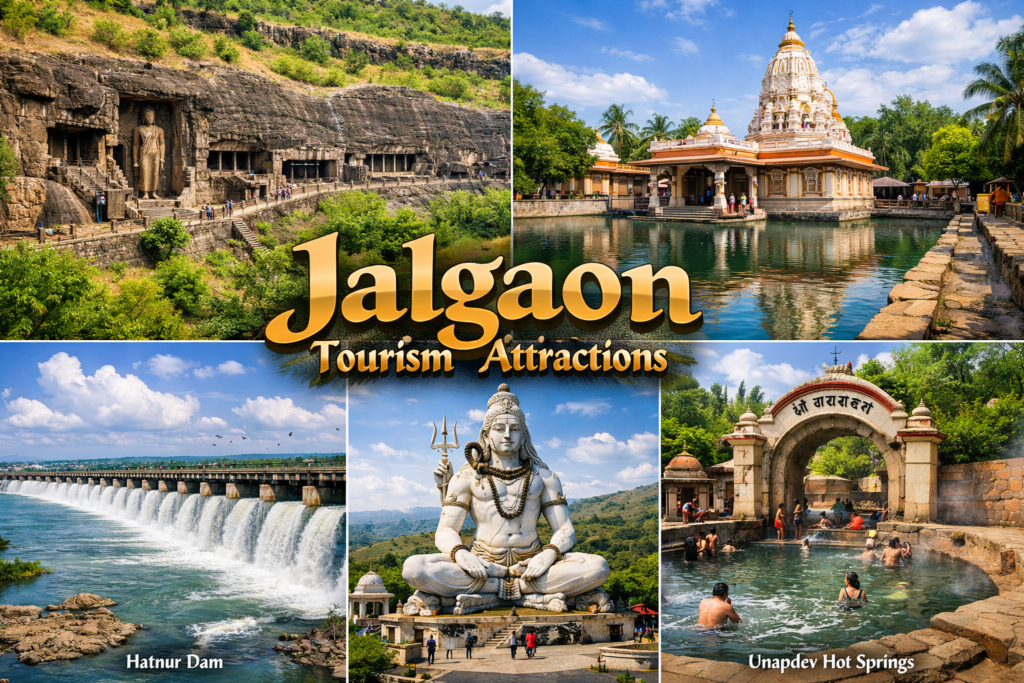
The major tourism attractions of Jalgaon district in a clean, HD collage format. At the top left, the Ajanta Caves showcase ancient rock-cut Buddhist architecture, famous worldwide for their sculptures and paintings. Beside it, the Shri Omkareshwar Temple is seen surrounded by water, reflecting Jalgaon’s spiritual and architectural heritage.
The bottom section features natural and cultural landmarks—Hatnur Dam, representing irrigation and scenic beauty; the majestic Shivaji Maharaj–inspired Shiva statue, symbolizing devotion and grandeur; and Unapdev Hot Springs, a popular pilgrimage and wellness spot known for its naturally warm water and historic archway.
For history lovers, pilgrims, and nature enthusiasts. From the timeless art of the Ajanta Caves to the calming waters of Hatnur Dam and Unapdev Hot Springs, every place offers a unique experience. Jalgaon’s tourism reflects the district’s rich heritage, spiritual depth, and scenic charm, leaving visitors with memorable experiences and a desire to return.
Culture & Heritage of Jalgaon
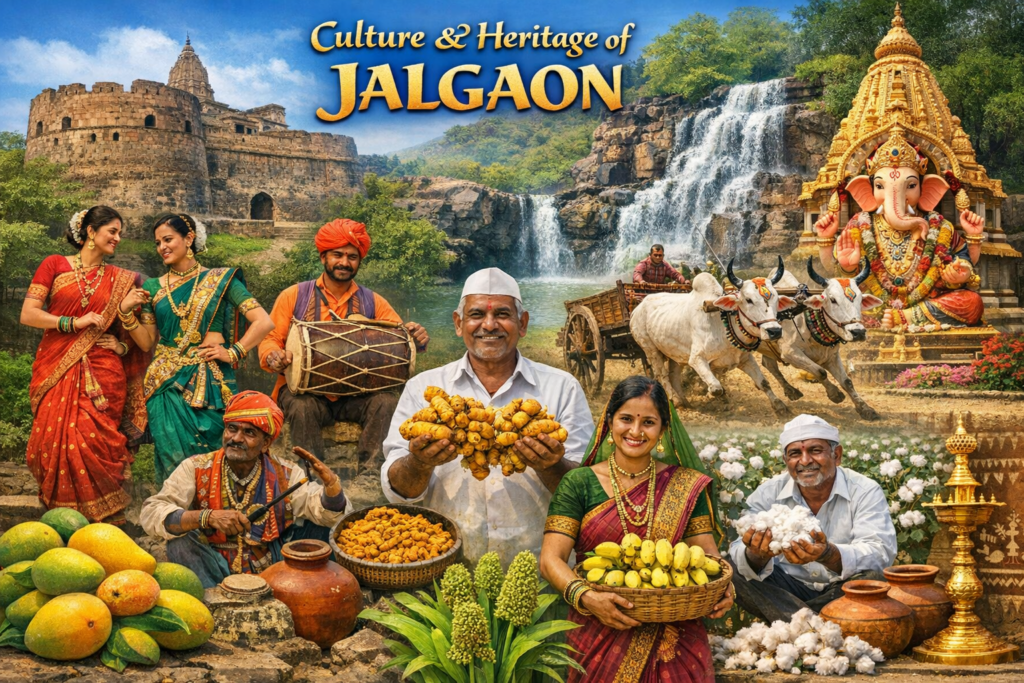
Jalgaon reflects a rich blend of tradition, history, and vibrant rural life that defines the cultural identity of the Khandesh region. The city is deeply rooted in customs and values that have been preserved and passed down through generations.
Known for its ancient temples, historic forts, and spiritual landmarks, Jalgaon holds strong religious and historical significance. Festivals, rituals, and community gatherings play an important role in keeping these traditions alive.
Agriculture forms the backbone of the region, with vast banana plantations and traditional farming practices shaping the lifestyle of its people. Rural life, local markets, and everyday activities reflect simplicity, hard work, and cultural pride. The local cuisine, attire, art, and crafts further highlight the uniqueness of Jalgaon’s heritage.
This cultural richness not only strengthens the identity of the region but also attracts visitors who wish to experience its authentic traditions. Jalgaon continues to preserve its heritage while embracing progress, making it a distinctive cultural destination in Maharashtra.
Agriculture and Major Crops of Jalgaon District
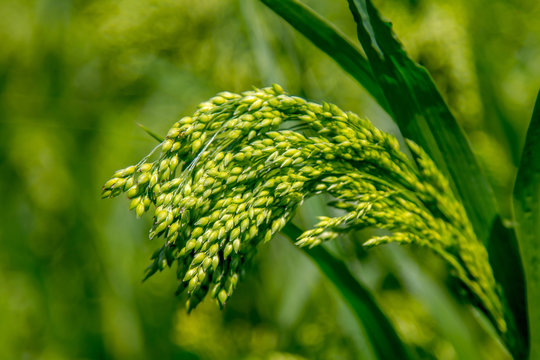
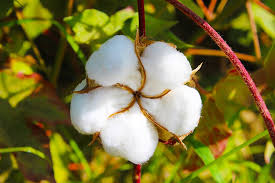
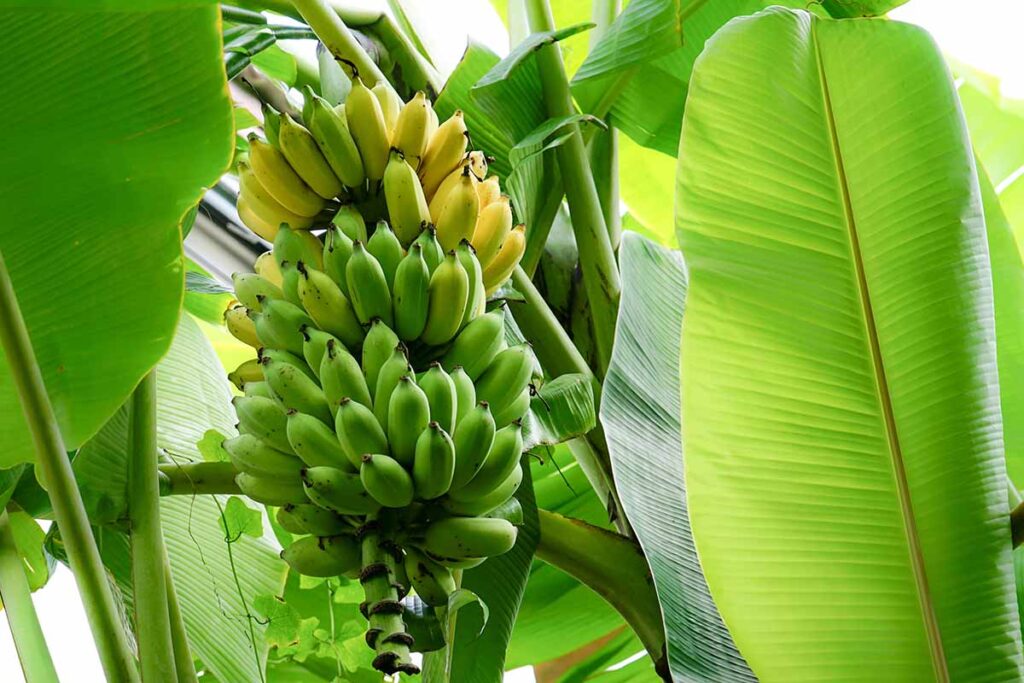
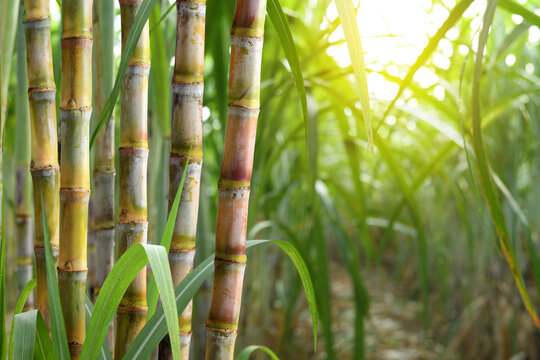
Agriculture is the backbone of Jalgaon district’s economy. The district’s fertile black soil and favorable climate support the cultivation of a wide variety of crops. Jalgaon is widely known as the Banana Capital of Maharashtra, with banana being the major crop. Other important crops grown in the district include sugarcane, cotton, millets (such as jowar and bajra), maize, pulses, and oilseeds. Irrigation from rivers and canals, along with monsoon rainfall, plays a key role in supporting agricultural activities across the district.
Millets
Cotton
Banana
Sugarcane
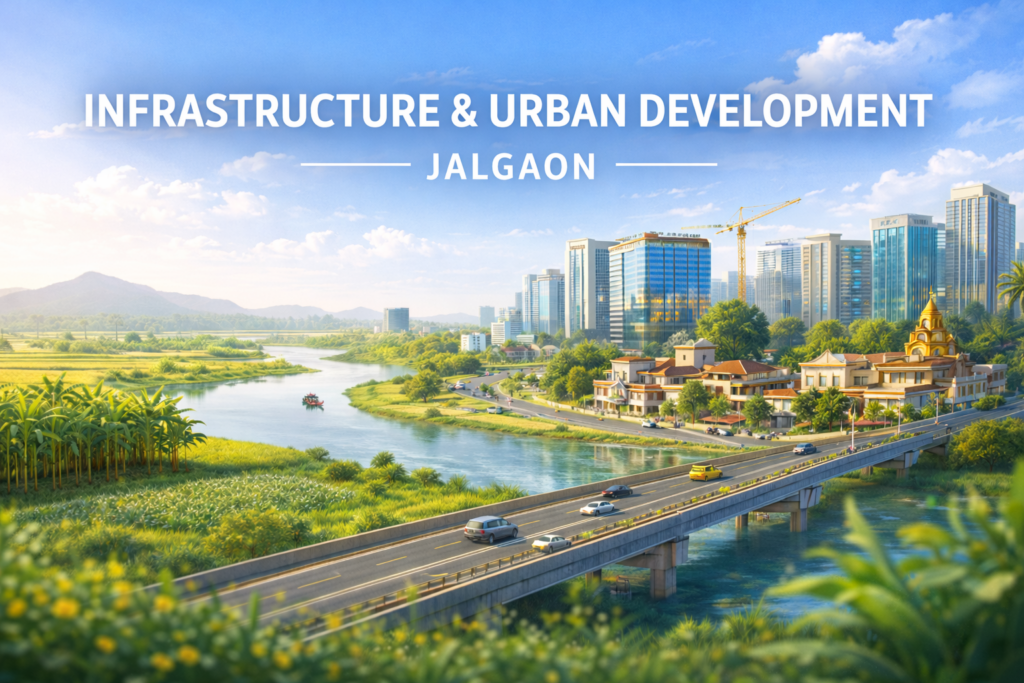
Infrastructure & Urban Development
Jalgaon is steadily transforming into a well-planned urban center with a strong focus on modern infrastructure and sustainable development. The city is witnessing improvements in road connectivity, bridge networks, and public transport systems to support smooth mobility and economic growth.
Urban planning initiatives are enhancing residential zones, commercial hubs, and civic amenities while maintaining ecological balance through green spaces, riverfront development, and plantation. The rise of modern buildings, smart city features, and improved public services reflects Jalgaon’s vision of becoming a progressive and livable city.
With continued investment in infrastructure, Jalgaon is shaping into a dynamic urban destination that blends development, sustainability, and quality of life for its residents.
Population & Demographics of Jalgaon
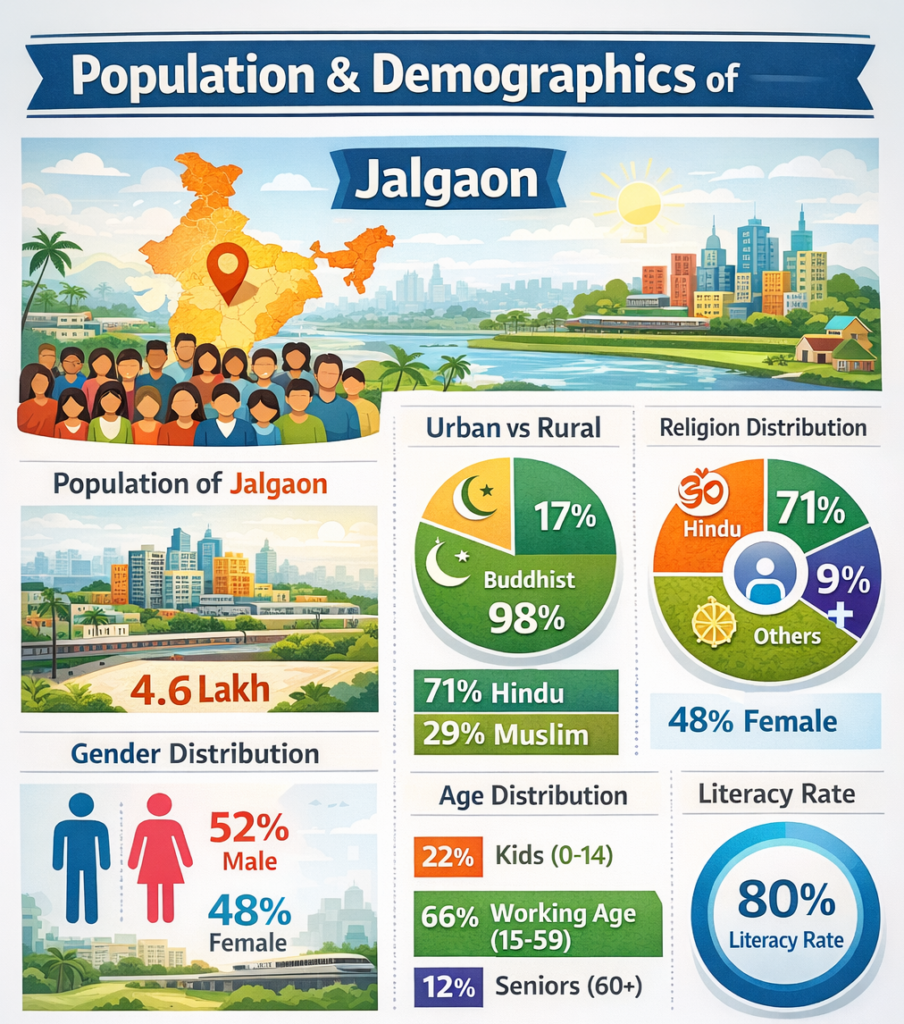
his infographic presents a clear and informative overview of the population and demographic profile of Jalgaon district. It visually highlights Jalgaon’s location on the map of India and represents the district’s urban landscape, natural surroundings, and diverse community through illustrations, making the information easy to understand at a glance.
According to the image, the total population of Jalgaon is around 4.6 lakh. The district shows a strong urban presence, with 71% of the population living in urban areas and 29% residing in rural regions, indicating steady urban development and access to city-based facilities.
The religious composition of Jalgaon reflects social diversity. The majority of the population follows Hinduism (71%), followed by Muslims (9%), while the remaining population includes Buddhists and other communities, contributing to the district’s multicultural character.
In terms of gender distribution, Jalgaon has a fairly balanced population, with 52% males and 48% females. This near-equal ratio highlights a stable demographic structure and social balance within the district.
The age-wise distribution shows that 22% of the population consists of children (0–14 years), while a significant 66% falls within the working-age group (15–59 years). Senior citizens aged 60 years and above make up 12%, indicating a healthy workforce that supports economic and social development.
The infographic also highlights Jalgaon’s literacy rate of 80%, suggesting a good level of educational awareness and access to schooling across the district. Overall, the image effectively summarizes Jalgaon’s demographic strengths, diversity, and development through a well-structured and visually appealing presentation.
How To Reach
Easily accessible via air, rail, and road from major cities across India